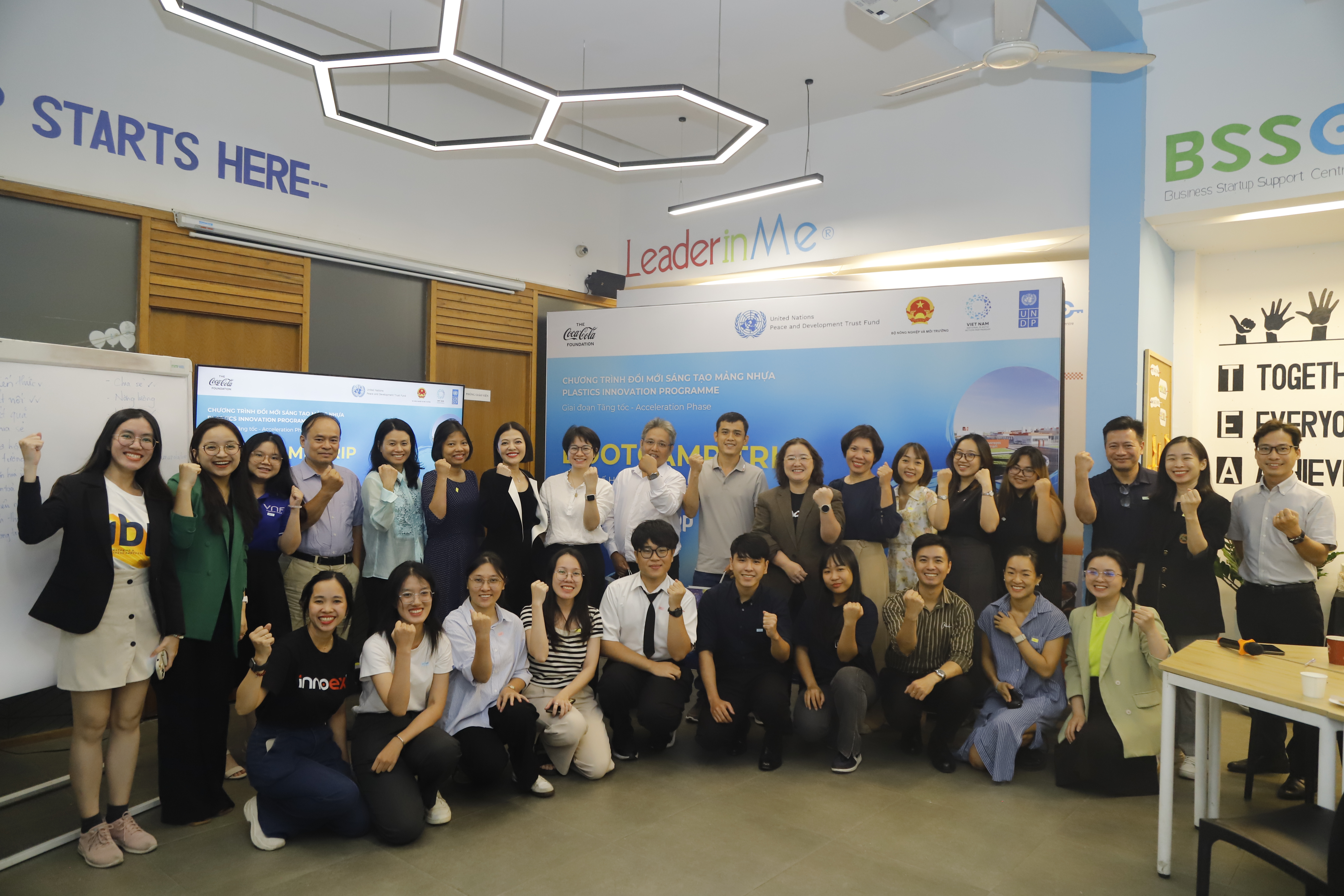
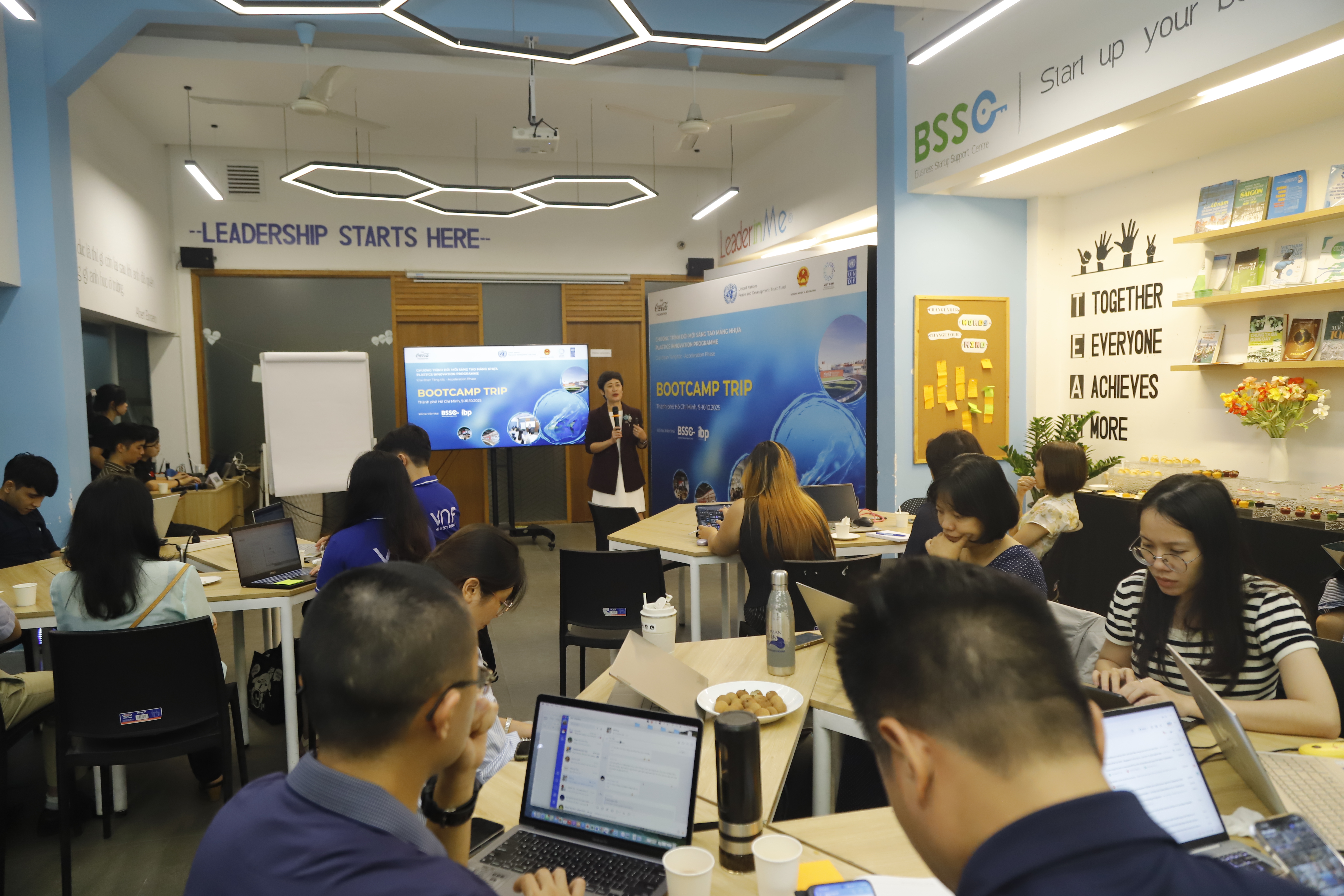
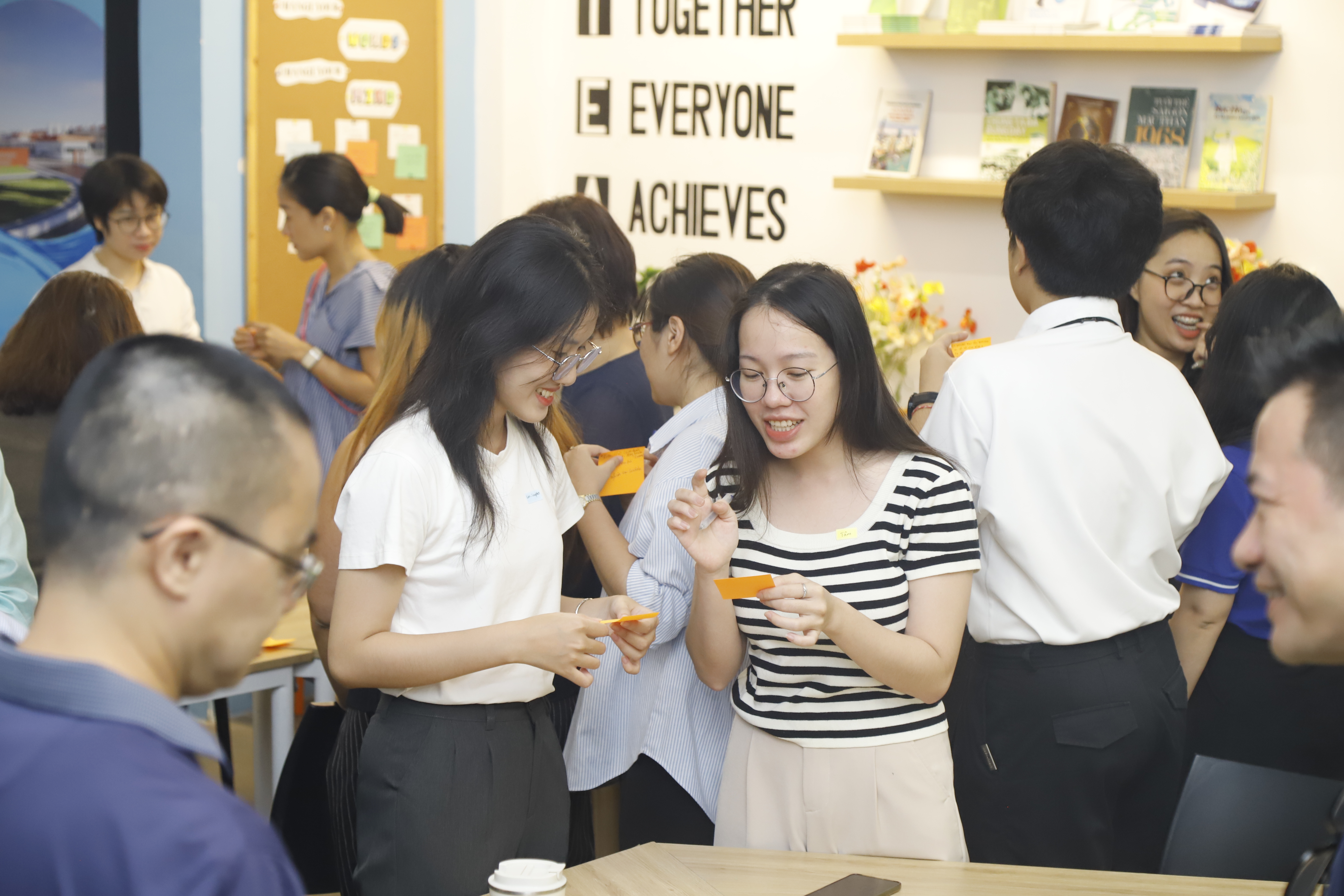
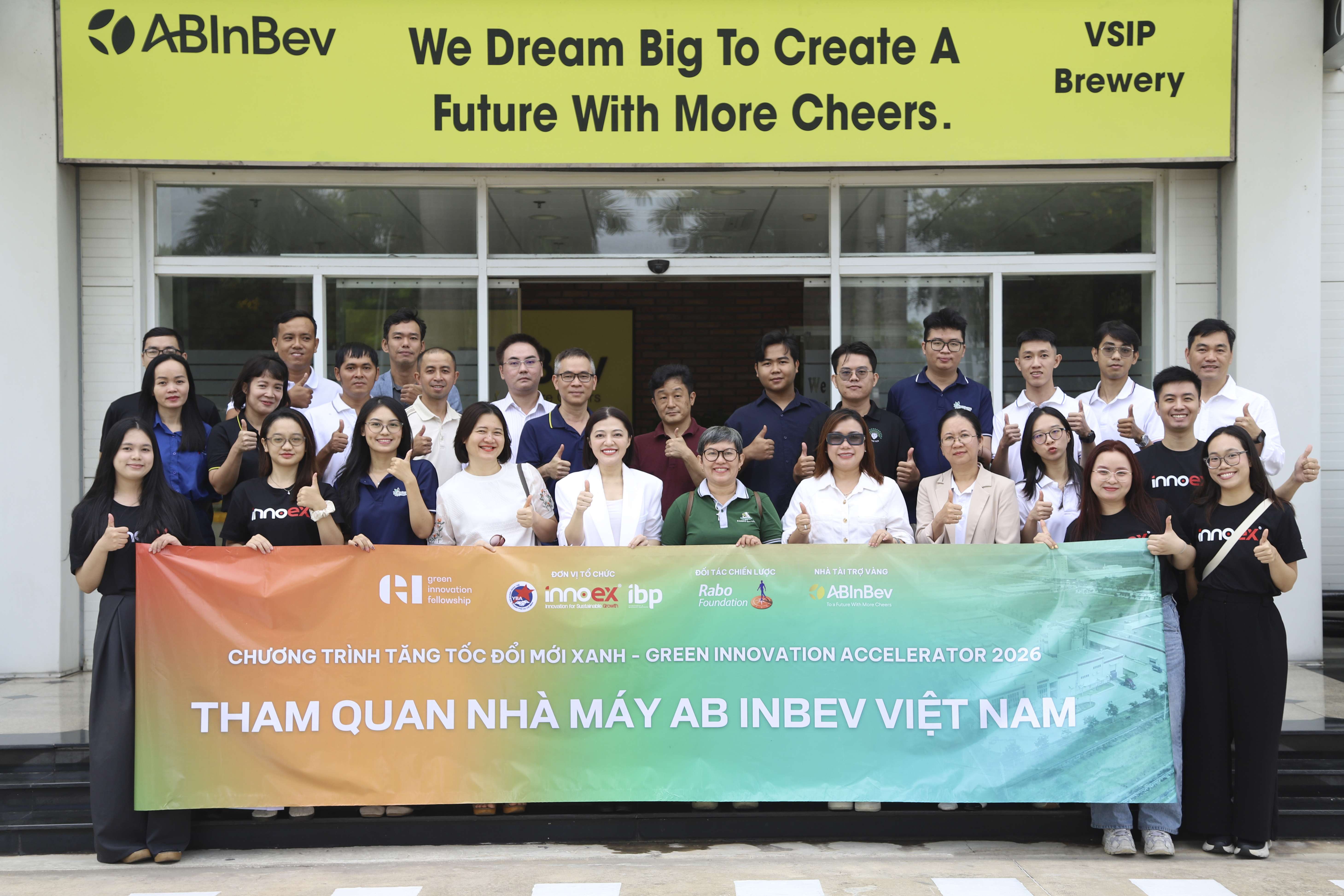
On October 9–10, 2025, eleven innovation initiatives under the Plastic Innovation Programme launched by UNDP participated in an intensive Bootcamp held at Phu Nhuan Innovation Hub (PNIC) and the Coca-Cola Plant in Tay Ninh.
The Bootcamp was co-organized by IBP and BSSC in collaboration with UNDP Viet Nam and partners, aiming to support initiatives in refining their models, expanding their impact, and advancing toward the commercialization of sustainable solutions within the circular plastic economy.
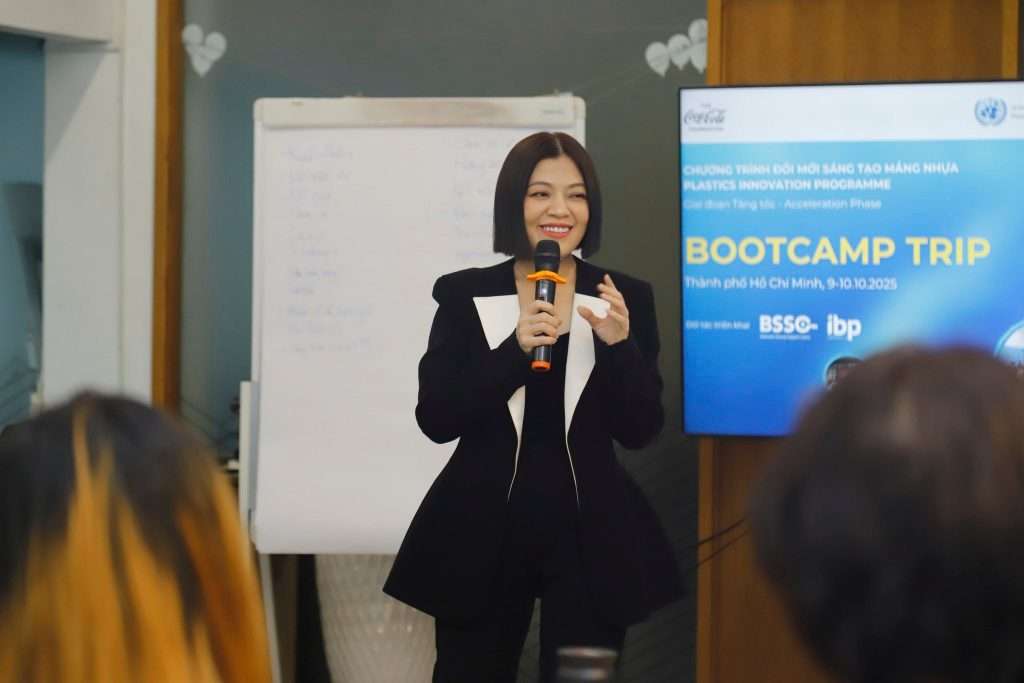
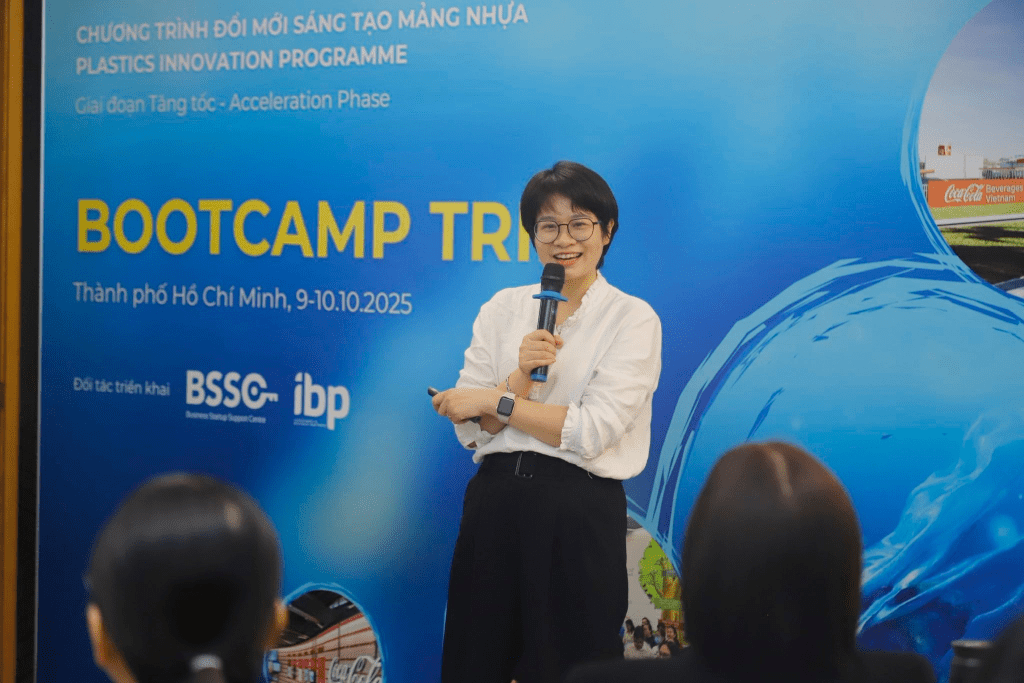
Delivering the opening remarks, Ms. Truong Ly Hoang Phi – Chairwoman & CEO of IBP, and Head of the InnoEx Organizing Committee, emphasized:
“We are on a journey of pioneers. More importantly, it is about the support of our community — connecting and helping each other along the way. I hope that, despite having different goals, everyone shares the same destination, walking together throughout this journey to build a network that creates value beyond the program itself.”
Day 1: Understanding the Ecosystem – Strengthening Innovation Models
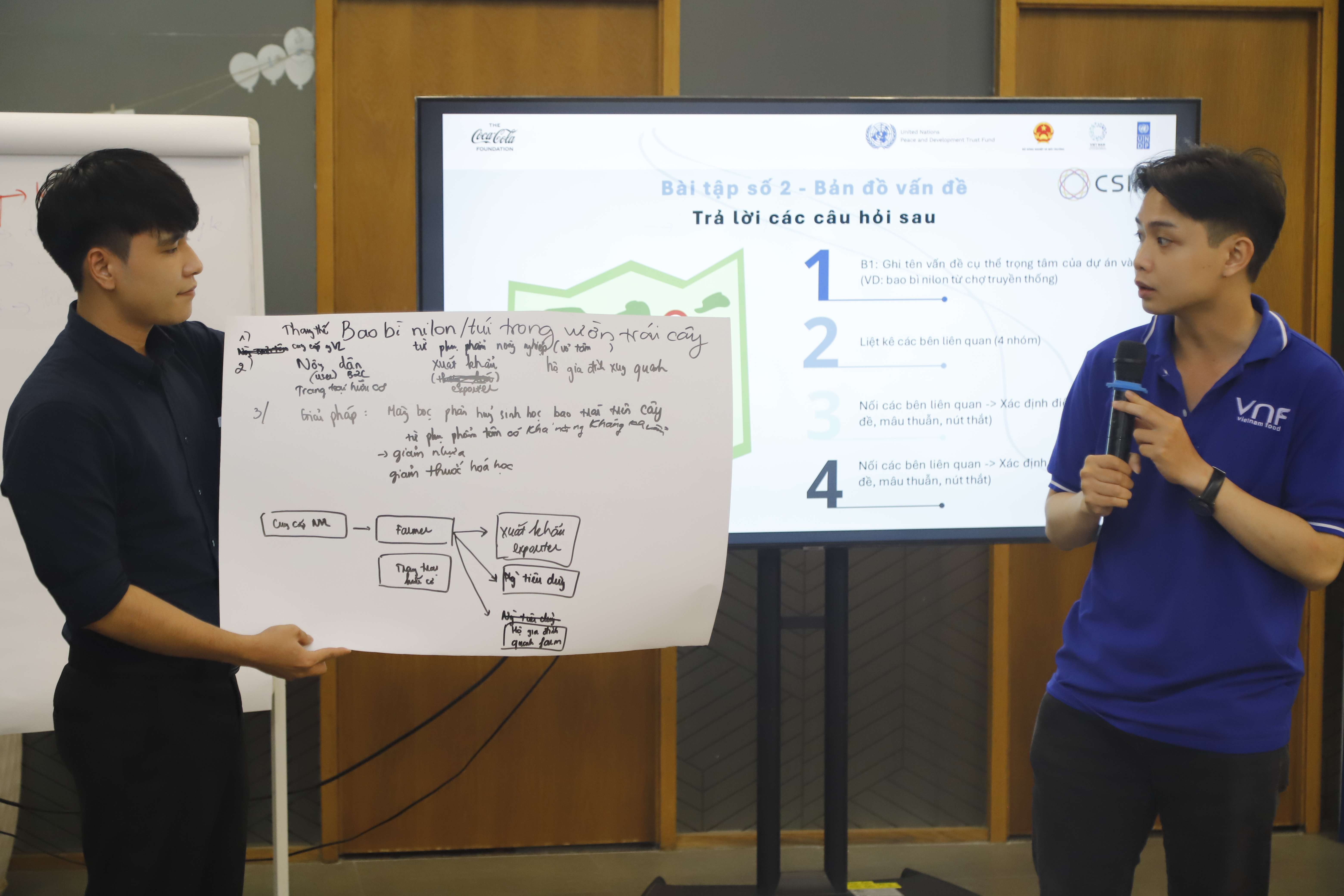
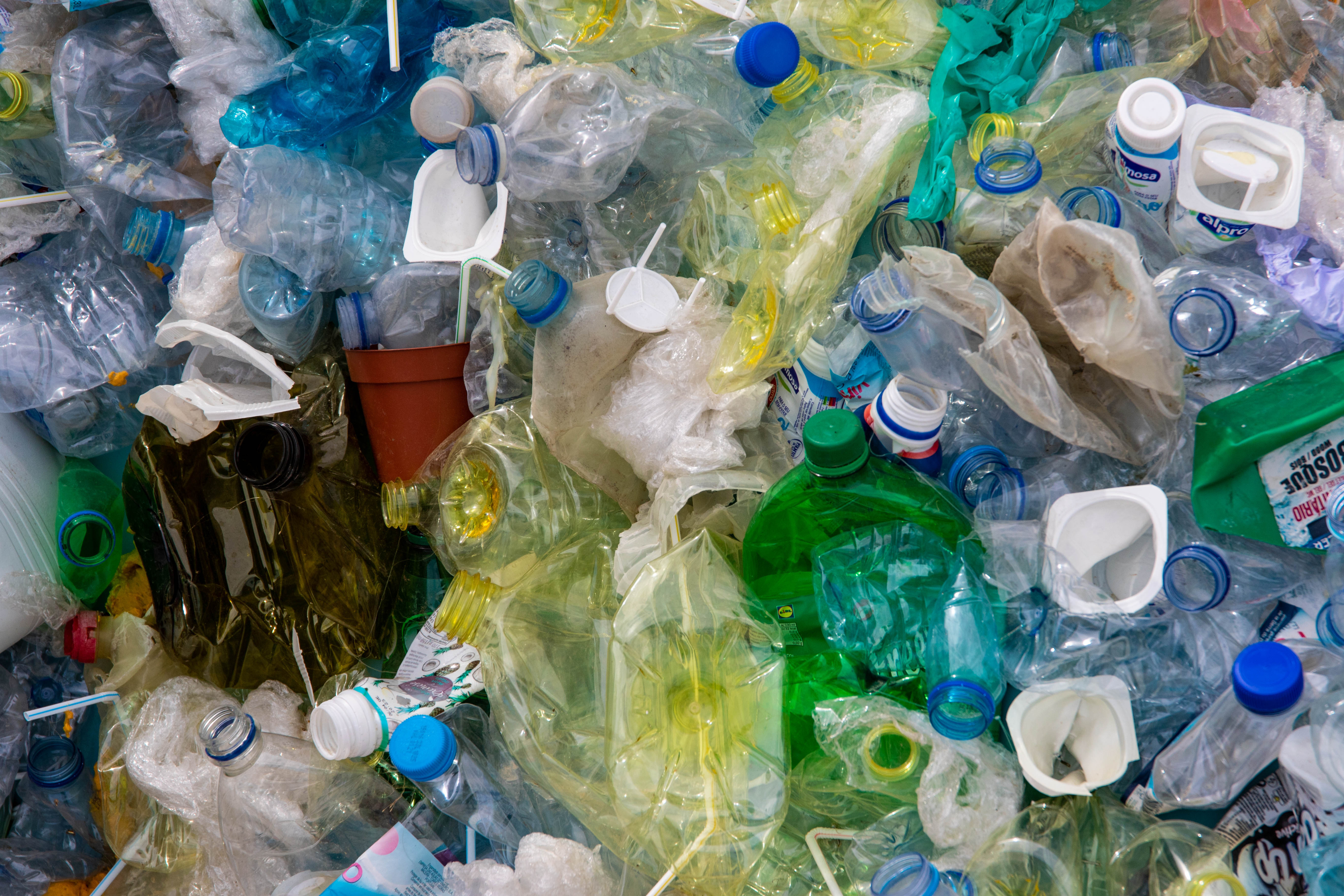
The first day of the Bootcamp focused on deepening participants’ understanding of Viet Nam’s plastic ecosystem, its stakeholders, and the opportunities for innovation along the value chain.
Through a session led by Ms. Nguyen Hai Yen – Plastic Innovation Specialist, UNDP Viet Nam, participants gained a comprehensive overview of plastic innovation in Viet Nam, engaged in open discussions on the challenges faced during the acceleration phase, and explored feasible pathways to enhance impact and operational models.
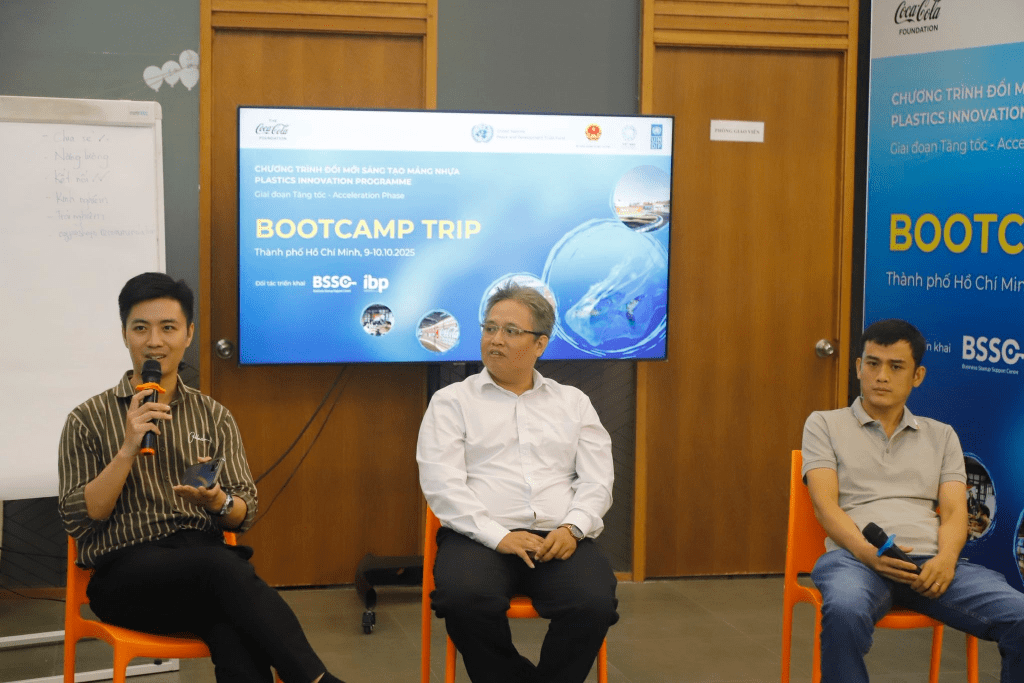
The initiatives then took part in an interactive session with Mr. Pham Ngoc Hien – Owner of a local scrap collection facility in Phu Nhuan, and Mr. Bui The Bao – Co-founder & CEO of VECA. The conversation shed light on the realities of the informal waste collection sector, including legal barriers in transitioning from household businesses to enterprises and the operational challenges in adopting technology and managing revenue transparency. The session highlighted the importance of multi-stakeholder collaboration and community-centered solutions within the ecosystem.
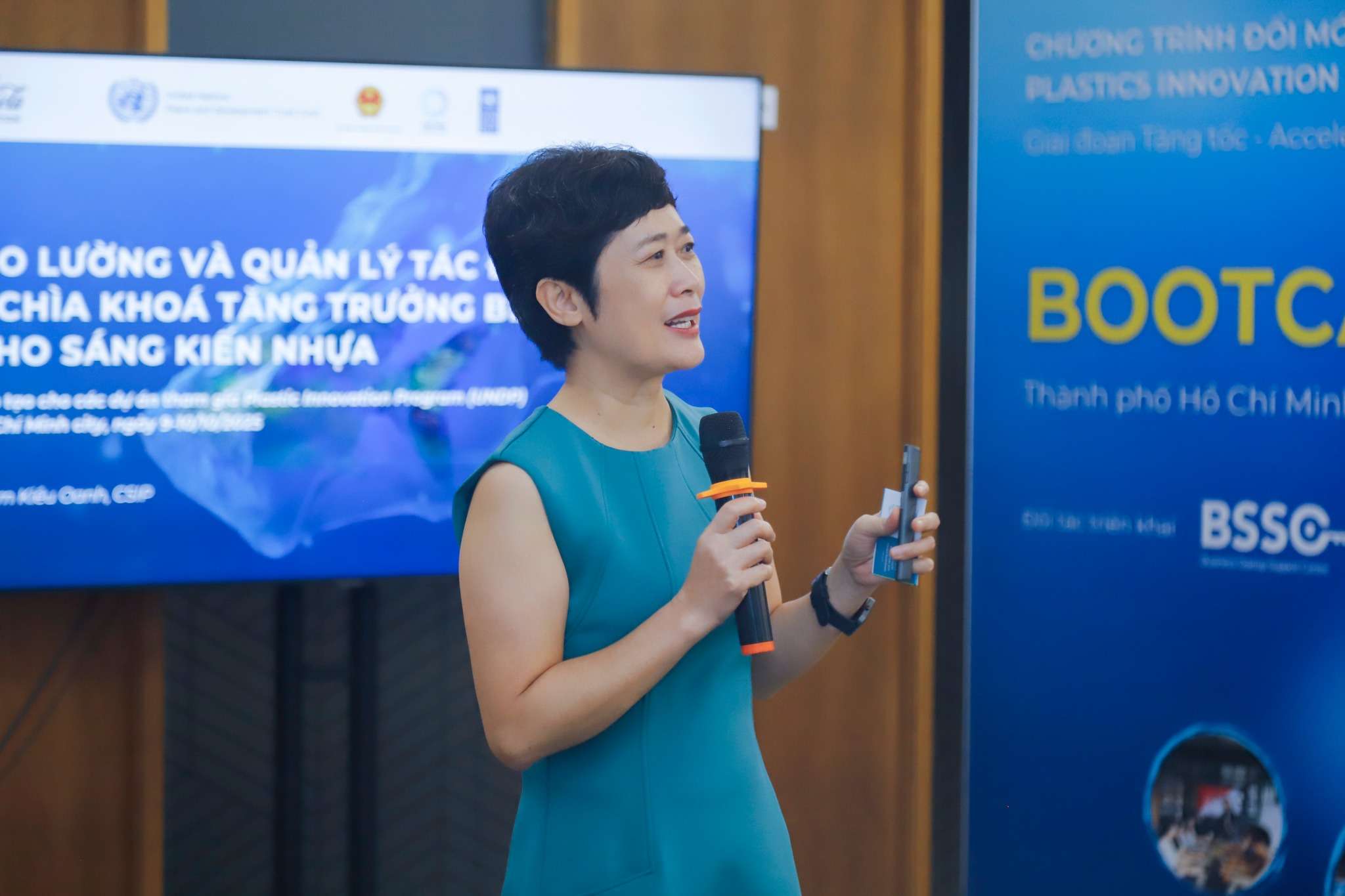
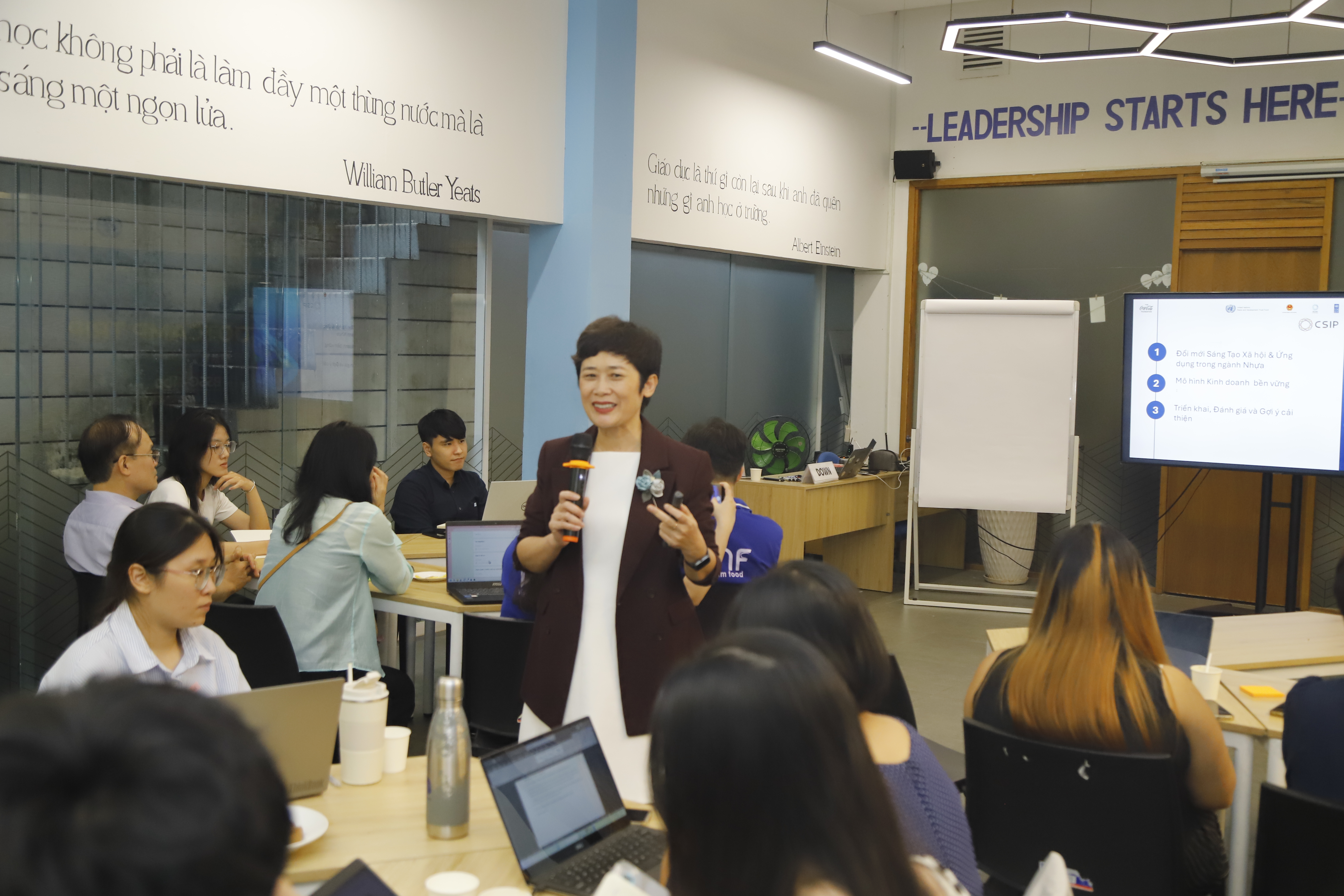
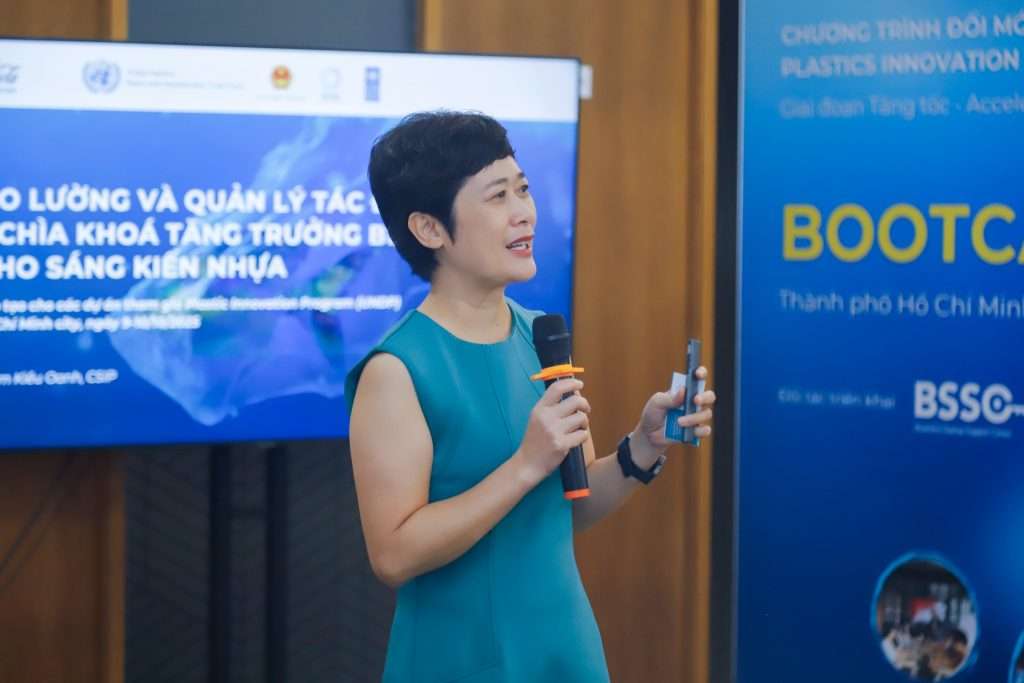
Later in the day, Ms. Pham Kieu Oanh – Founder & CEO of the Centre for Social Initiatives Promotion (CSIP), delivered a session on building sustainable and scalable social innovation business models. Her insights guided participants to identify their core value propositions, strategic consistency, and scaling potential — helping them align both economic viability and long-term social impact.
Day 2: Practical Experience – Connecting with Impact Investors
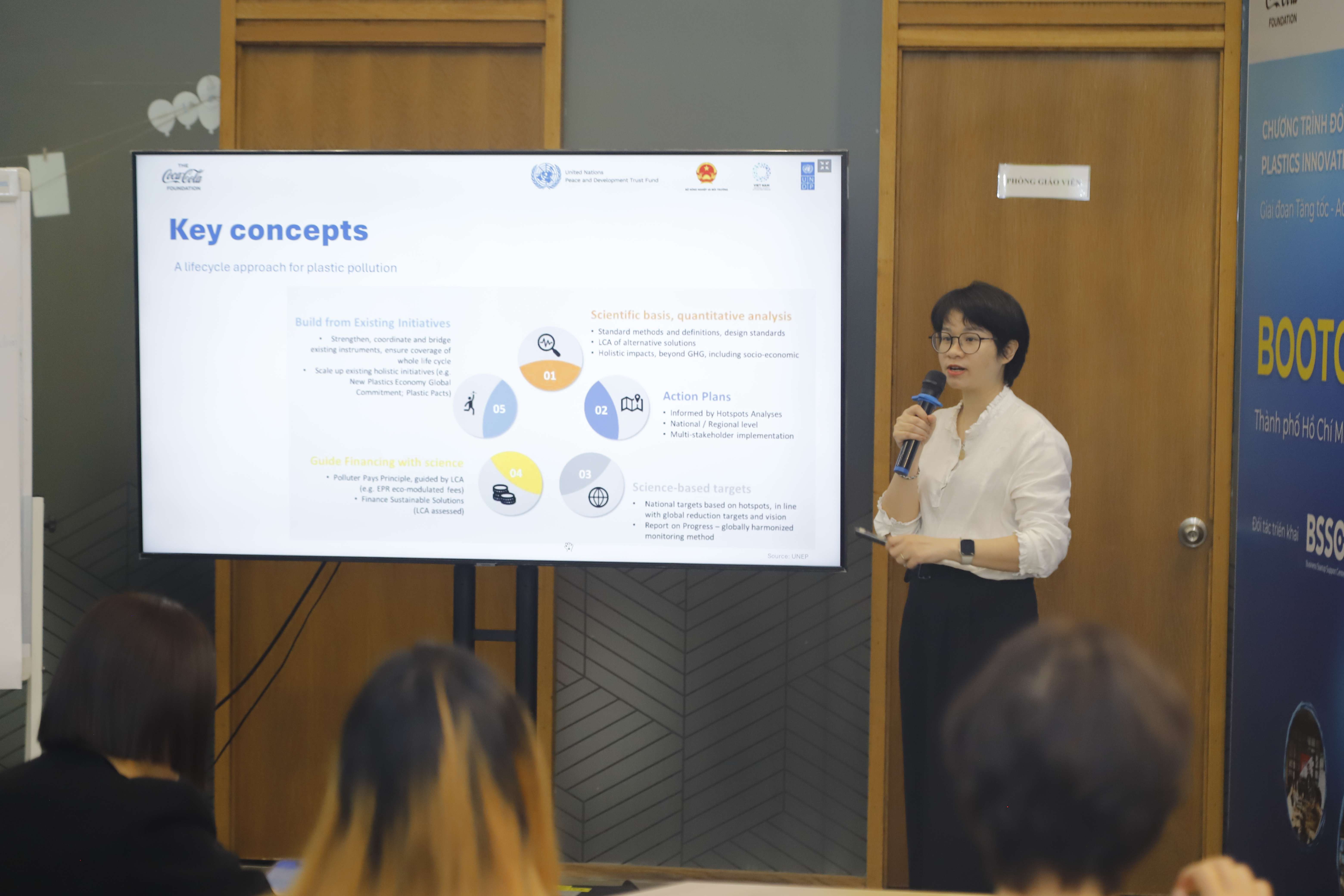
Continuing the journey, the second day combined training, practical learning, and investor networking. Participants were introduced to Impact Measurement and Management (IMM) — a key framework for assessing social value, tracking performance, and enhancing transparency in the development of circular business models.
The day also featured case studies from successful plastic innovation enterprises, with insights shared by Mr. Barak Ekshtein – Founder & CEO of TONTOTON, and Mr. Sikarin Tamiyakul – Co-founder of CIRAC. Their stories offered valuable lessons on multi-sector collaboration, scaling strategies, and sustaining impact-driven operations.
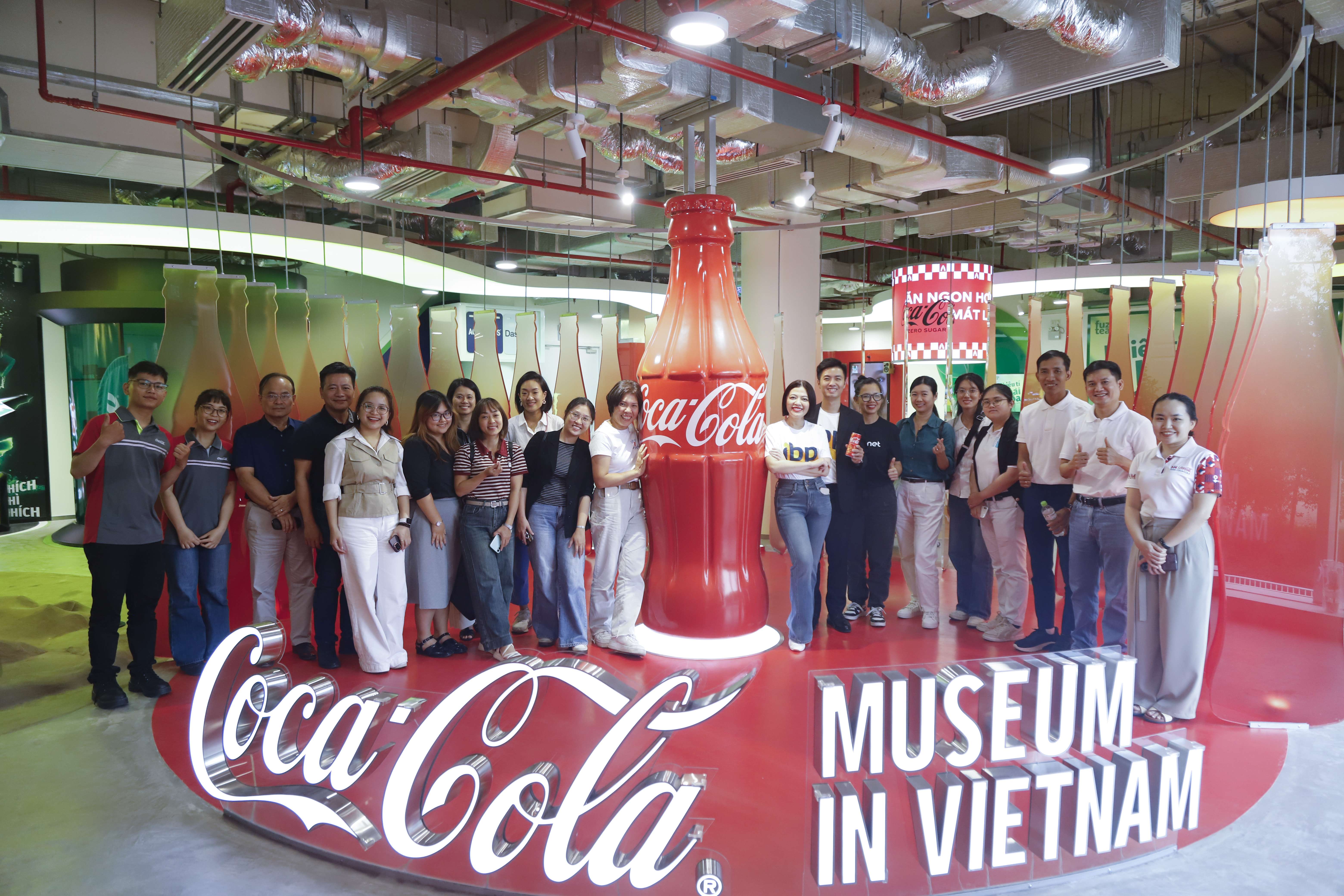
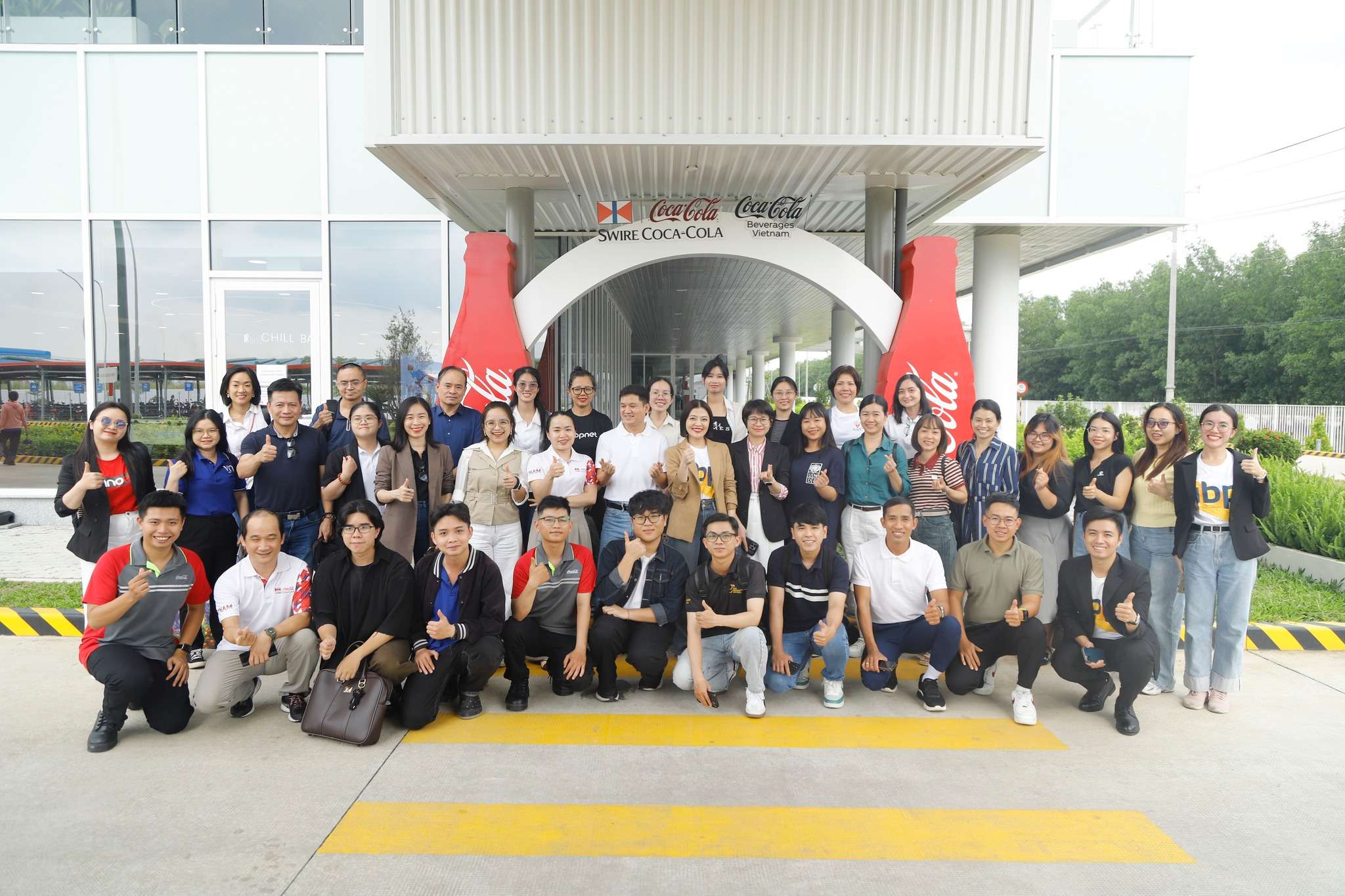
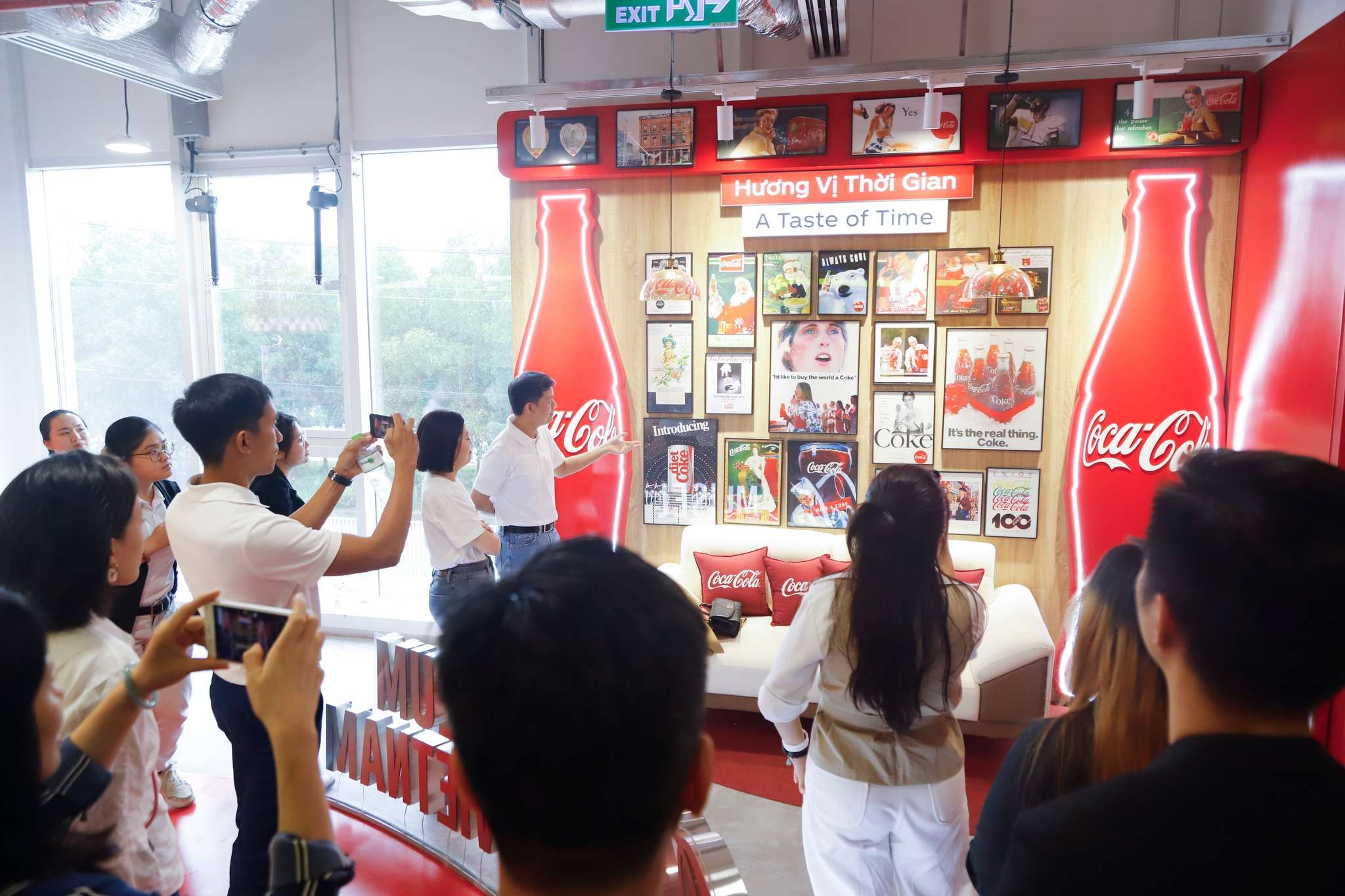
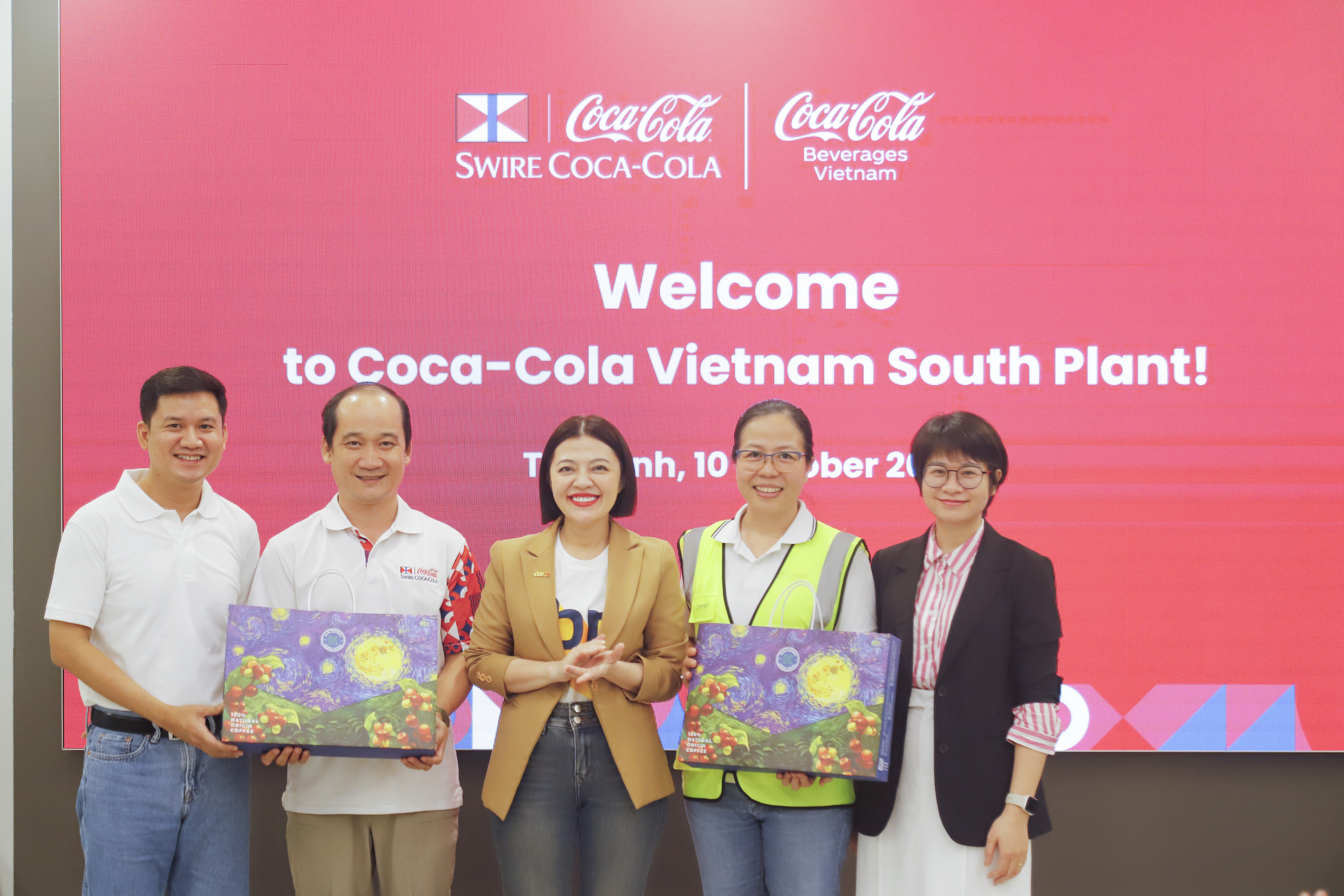
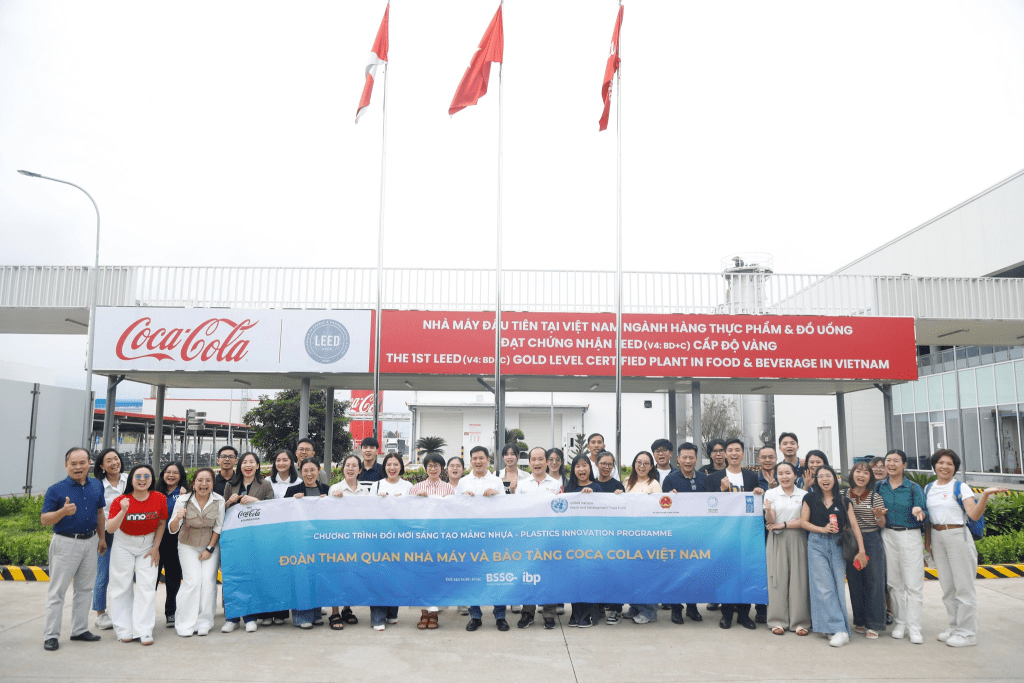
A highlight of the program was the site visit to the Coca-Cola Plant and Museum in Tay Ninh, where participants observed first-hand how a global enterprise integrates sustainability and circularity into its production processes. The visit showcased practical examples of packaging innovation, plastic waste reduction, and effective recycling — reinforcing the private sector’s vital role in driving green transformation.
The Bootcamp concluded with a lively Networking Gala, providing a platform for the initiatives to connect with impact investors and investment funds, exploring potential partnerships and future collaboration opportunities.
Spreading Innovation – Toward a Circular Plastic Economy
The InnoEx 2025 Bootcamp not only provided in-depth knowledge and hands-on experience but also fostered a community of innovators for the environment. With the support of experts, enterprises, and investors, the 11 participating initiatives are now better equipped to refine their models, scale their social impact, and contribute to advancing a sustainable circular plastic economy in Viet Nam.